secondhand
Environmental Microbiology new book
This title was generated by AI and may not be fully accurate.
This title was generated by AI and may not be fully accurate.
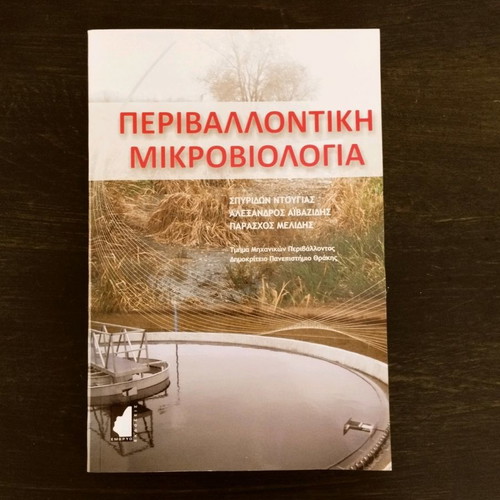 Environmental Microbiology new book
 Environmental Microbiology new book
 Environmental Microbiology new book
 Environmental Microbiology new book
 Environmental Microbiology new book
 Environmental Microbiology new book
+4
#academicbooks • #microbiology • #environmentalscience • #biotechnology • #environmentalmicrobiology
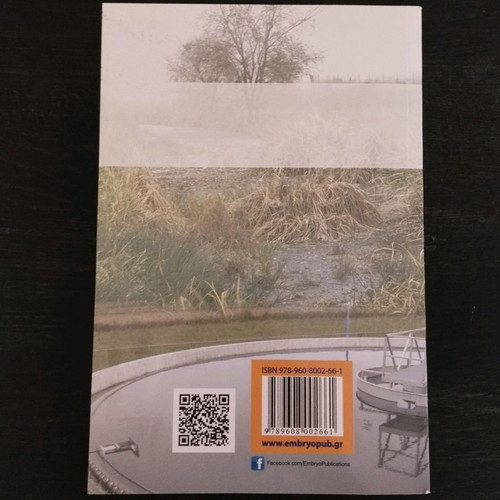
Environmental Microbiology - new
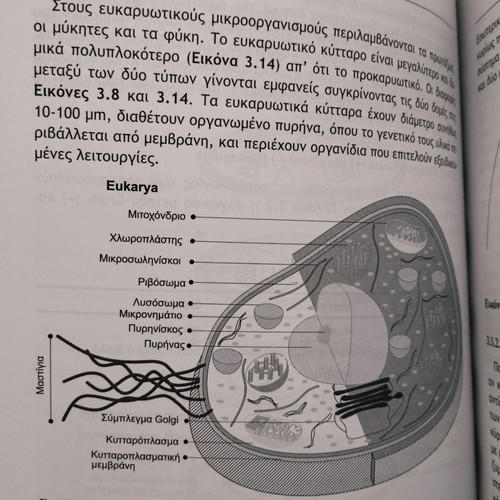
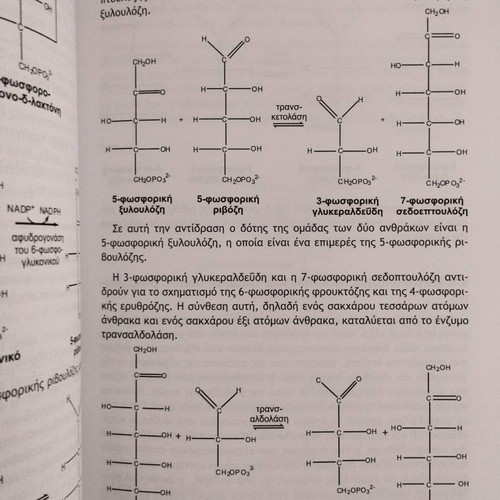
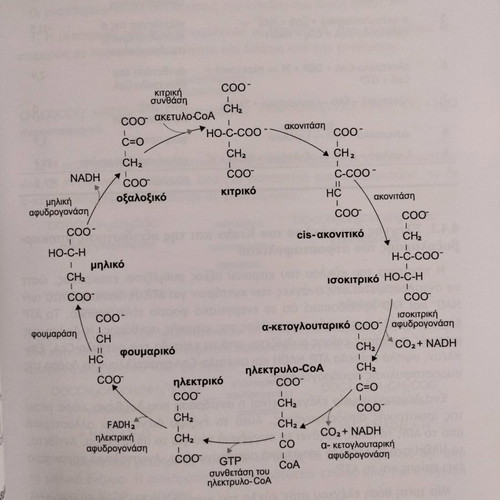
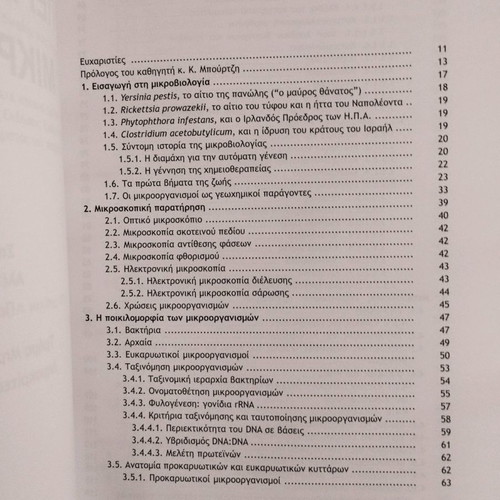
ENVIRONMENTAL MICROBIOLOGY
SPYRIDON DOUYAS, ALEXANDROS AIVAZIDIS, PARASCHOS MELIDIS
Presentation
Our great poet Odysseas Elytis, Nobel Prize winner in Literature, wrote in 1959 the famous poem "To Axion Esti", his own version of "Genesis". In this poem, there is the monumental line "This Small, Great World!", with which the poet wanted to demonstrate the grandeur of (any) World. I am not sure if Elytis knew:
(a) Louis Pasteur who in the 19th century, discovering through systematic research the significant role that microorganisms play in nature, stated the phrase: "The role of the infinitely small is infinitely large".
(b) Ivan E. Wallin who in 1927, discovering the role that microorganisms have played and continue to play in the creation of life and its evolution, in his book "Symbionticism and the Origin of Species" claimed that symbiotic microorganisms "determine morphologic and physiologic changes in organs and cells", and therefore "symbionticism is a fundamental causative factor in the origin of species". [...]
(c) the late Lynn Margulis (who passed away on November 22, 2011) who, continuing the work of Ian E. Wallin, formulated in 1981 the "Serial Endosymbiosis Theory" in her book "Symbiosis in Cell Evolution". This theory explains the role of (symbiotic) microorganisms in the creation of animals (and humans) and plants found on our Planet. [...]
(d) the "Gaia Hypothesis" (or Gaia Theory or Gaia Principle), which was formulated through a series of articles and books in the 1970s by James Lovelock and was strongly supported by Lynn Margulis. The "Gaia hypothesis" posits that our Planet is a single living self-regulating physicochemical system. If this theory is correct, then it is primarily due to microorganisms which are the main component of our planet and, at the same time, are the dominators of physicochemical reactions. Our Planetary Ecosystem owes both its creation and its existence to microorganisms. The harmony and balance observed in nature, climate, energy, nutrients (chemical) components, cleanliness, all that we observe and perceive with our five senses is primarily due to these microscopic pillars of our Earth. [...]
At the same time, the MicroBioWorld is characterized by immense diversity and offers a wealth suitable for its utilization in agriculture and food, energy and biotechnology, environment and health, representing the future for another economy, the Bio-Economy.
The book "Environmental Microbiology" that you hold in your hands is your introductory step to delve into the magical world of microorganisms, "This Small, Great World!". (Kostas Bourtzis, Professor of Molecular Biology, Genetics, and Biochemistry, from the presentation of the edition)
___
In my profile, you will find many books at affordable prices.
€ 20,00
New • Language: English
FREE Buyer protection
We guarantee that you will receive the item or your money back. Learn more


Buy more, pay less 🛍️
Select more items from the same seller. Negotiate a better price, save on postage.